AI is not just a tool, but a new ecosystem
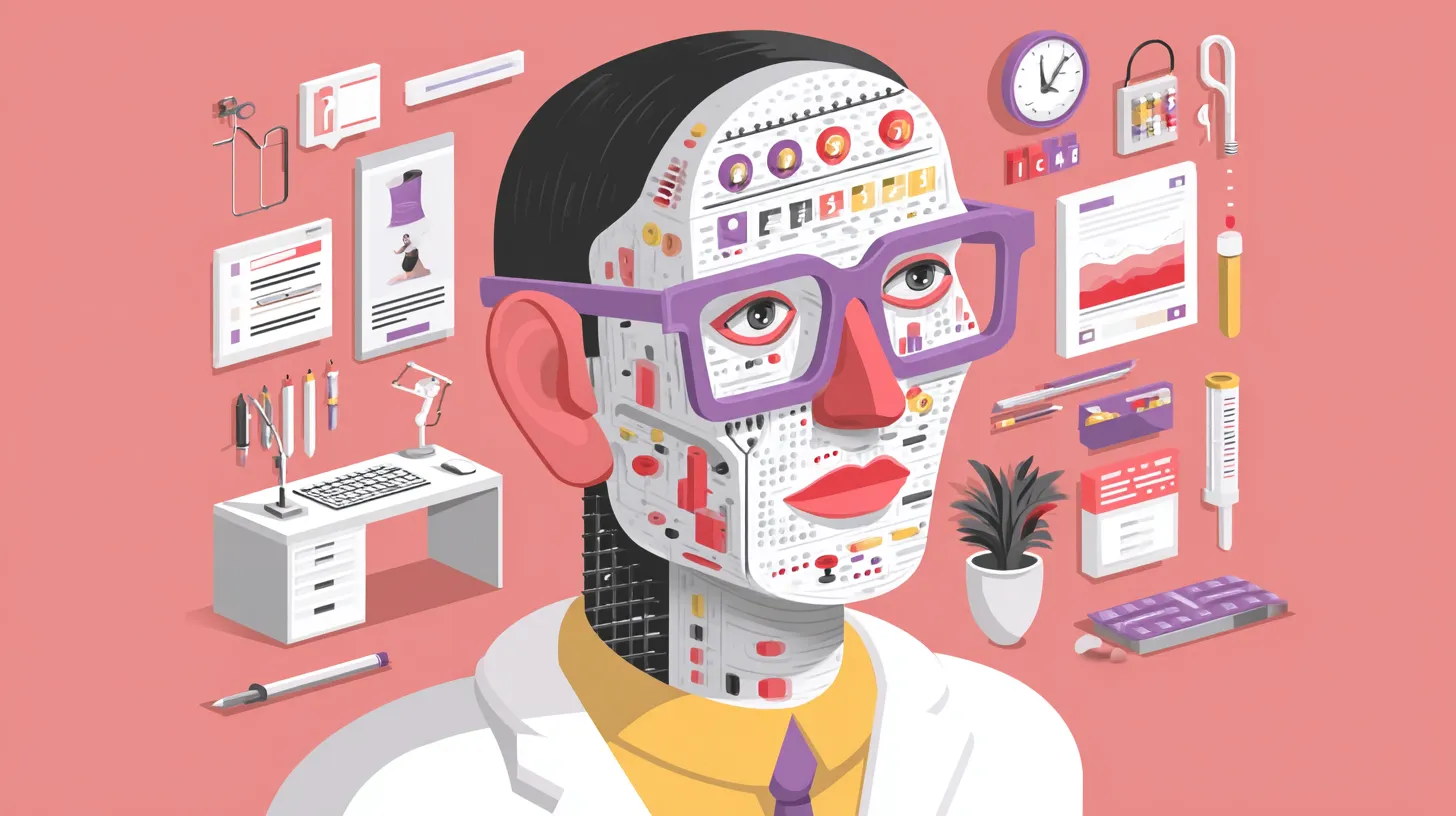
AI no longer sits on the edge of marketing, social media and content creation. It is becoming the main driver of change. AI features are now part of the daily work of marketers, social media managers and content creators. By 2025 AI will stop being just an advantage. It will become something you need to survive in competitive digital marketing.
An important part of this is that complex digital tools are now open to everyone. Advanced tactics, deep analytics and large amounts of good content used to be mostly for big companies. Now AI tools let small and medium-sized businesses (SMEs) use them too, which levels the playing field.
AI also blurs the lines between marketing, social media and content creation. Many tools do several jobs. Content platforms write both articles for marketing campaigns and social media posts. Social media tools include features for ideas, content and analytics, which shape the wider marketing strategy. This is why you need a joined-up approach to bringing in AI.
How marketing changes: precision, personalisation and prediction
AI is changing marketing by making targeting and the customer experience far more precise and personal.
- Hyper-personalisation at scale: AI analyses huge amounts of data on consumer behaviour. It can then adapt content, recommendations and even page layouts to each user in real time. This leads to a significant rise in conversion rates.
- Predictive analytics: Being able to predict customer behaviour is becoming a must. AI analyses past data to predict future actions. This helps you allocate budgets better, find potential customers and prevent churn.
- Ad campaign optimisation: Big platforms (Google, Meta) are using AI to manage bids, optimise conversions, target ads and even create ad visuals automatically. This makes ads more efficient, but it raises the question of whether marketers lose control and transparency.
- Marketing without cookies: Third-party cookies are becoming less and less useful. Safari has blocked them by default since 2020, and Firefox has isolated them since 2022. So AI becomes a key tool for segmenting audiences with first-party data (collected with users’ consent). This allows precise, relevant campaigns that respect privacy.
Update, November 2026: In 2024 Google dropped its plans to remove third-party cookies from Chrome. In October 2025 it wound down most of its Privacy Sandbox technologies. Collecting your own data with users’ consent is still worth it.
AI in social media: automation, analytics and engagement
AI is changing the way social media is managed.
- Creating and curating content: AI helps you come up with post ideas, write drafts and even make visual content (graphics, video). It also repackages existing content for different platforms.
- Automating and optimising publishing: Tools such as Buffer or Planable plan and publish posts automatically. Some AI tools can analyse data to find the best time to post for the widest reach.
- Social listening and sentiment analysis: AI tools track brand mentions, spot trends and analyse public opinion (including text, emoji and images). This helps you manage your reputation.
- Engagement and support through chatbots: AI chatbots give round-the-clock support, answer questions, make recommendations and even generate leads on social media.
- Analytics and ROI: AI gives deep analytics on reach, engagement, demographics and content performance. It helps you measure ROI and improve your social media strategy.
A new era of content creation: AI as a creative partner
AI is becoming an active part of the creative process.
- Many kinds of content: Modern AI creates not only text, but also images, music, 3D visuals, video and interactive content.
- Automation and optimisation: AI drafts content, repackages it and optimises it for SEO (keywords, meta tags, structure). It makes texts easier to read and helps keep a consistent brand voice.
- Interactive and adaptive content: AI lets you create quizzes, polls and even interactive stories where the user’s choices change the plot. This raises engagement.
- AI in storytelling: AI can suggest plot twists, develop characters and adapt stories for different audiences. It complements human creativity.
Building a winning AI strategy
Bringing in AI successfully needs a strategic approach.
- Set goals and KPIs: Say clearly what you want to achieve with AI (more traffic, conversions, engagement) and how you will measure success.
- Choose the right tools: Pick AI tools that match your goals and your team’s needs. See them as an addition to human work.
- Use AI to understand your audience: AI helps you understand your audience better. It analyses data on behaviour, preferences and sentiment, so you can create more relevant content.
- Use AI for ideas and planning: AI can analyse trends and competitors and suggest content ideas, which helps fill your content calendar. “Prompt engineering” — the skill of giving AI the right tasks — is becoming important.
- Balance AI and people: The most effective model is a hybrid one. AI takes on routine work and data analysis. People handle creativity, strategy, empathy and ethical control.
- Measure and iterate: Keep tracking results with AI analytics, and adjust your strategy based on the data.
Challenges and the future of AI
Bringing in AI comes with difficulties. Typical problems are a poor fit with business goals, underestimated complexity, poor data quality, high costs and staff resistance. Ethical questions matter most: copyright on AI content, deepfakes, misinformation, algorithmic bias and the need for transparency. To manage the risks, you need clear AI governance and well-prepared data.
From 2025 to 2030, AI is expected to become even more deeply built in. We may see full-length films made by AI, real-time hyper-personalised content and even autonomous AI agents running whole campaigns. A 2022 Europol report quoted an expert estimate: by 2026, up to 90% of online content may be made with AI. This is a forecast, not a measurement. But the direction is clear: the digital landscape is changing a great deal, and specialists will need to keep learning and adapting.
Conclusion
AI is not just a technology. It is a strategic must for marketers, social media managers and content creators. It offers great opportunities for efficiency, personalisation and creativity. The key to success is a strategic, ethical and balanced approach. It combines the power of AI with human intuition and creativity, which nothing can replace. Start bringing AI into your work today to stay competitive in a digital world that keeps changing.