VLMcast: getting a website ready for the European market and for AI search
A technical audit, SEO, optimisation for ChatGPT and Perplexity, GDPR compliance — and a plan the client’s team now uses to grow the site on their own.
The full story
The task
VLMcast sells online broadcasting technology to radio stations: HLS streaming, listener analytics and income from advertising. The company’s clients are radio stations in Armenia, Kazakhstan and Belarus. The next step is Europe.
They already had an English-language site on Tilda. But it was ready neither for European search nor for European law. The job was to:
- bring the site in line with EU requirements;
- build a keyword list and rank for the key search queries;
- set up SEO and write the tags;
- optimise the site for AI search (GEO);
- check that the texts contain the key search queries.
The challenge: the niche is narrow and technical. The audience is technical directors and radio station owners, and deals take a long time to close. The site had to speak the engineers’ language and still be clear to search engines and AI.
Audit first, then the work
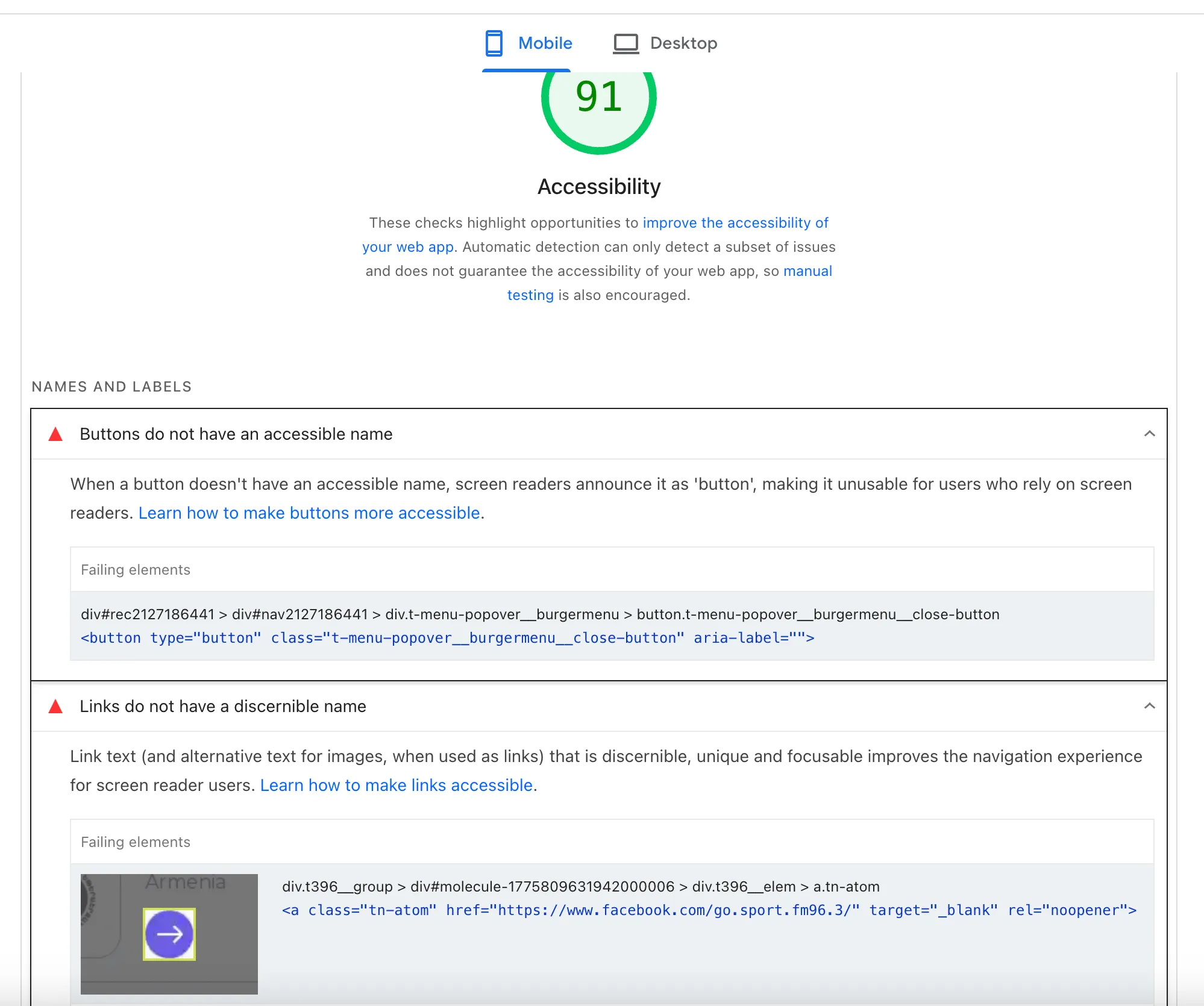
Before any changes, we ran a technical audit in Google PageSpeed Insights and went through every problem. The client got a clear split: what could be fixed within the project, and what was limited by the Tilda platform itself.
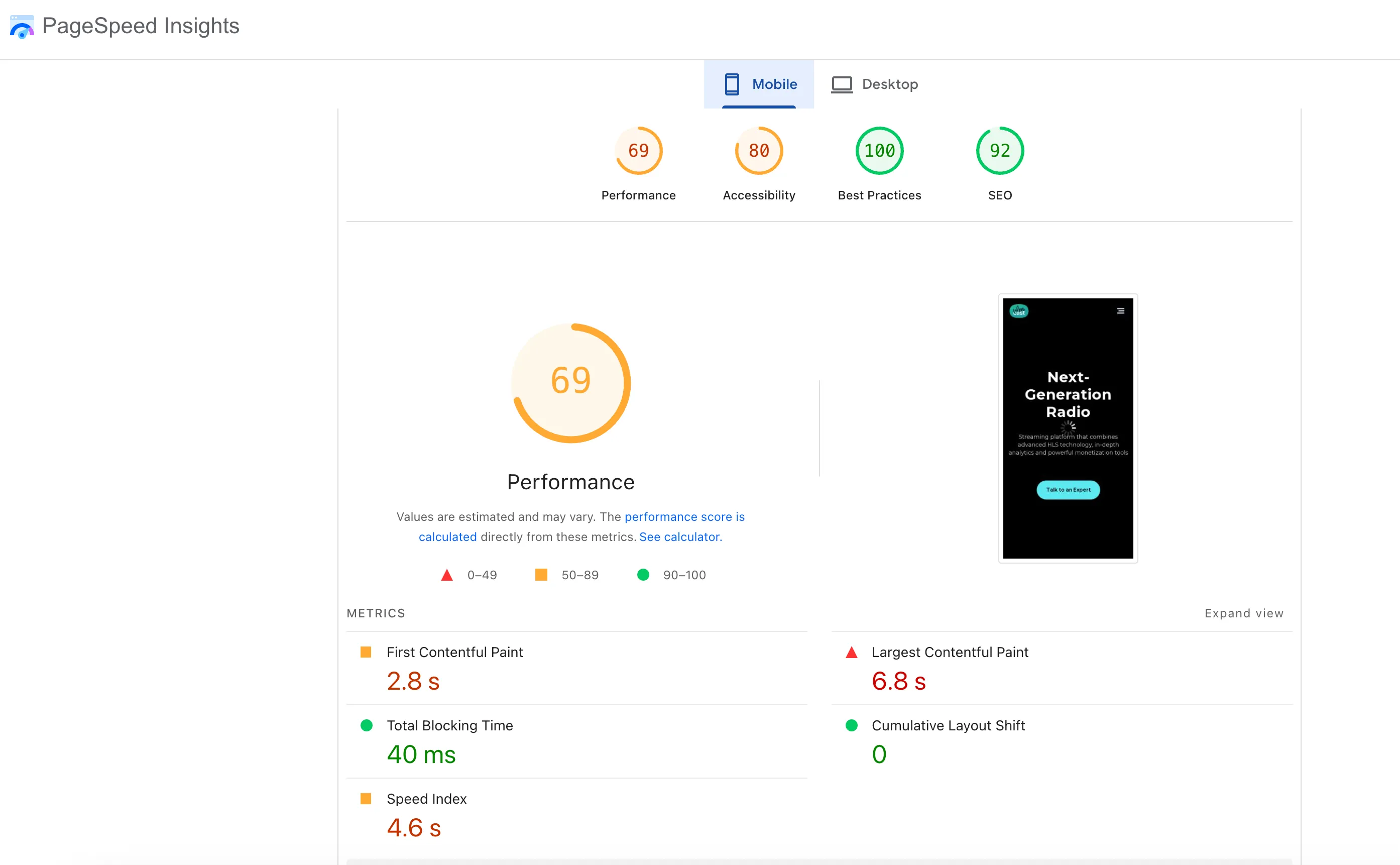
What the audit showed (mobile version):
| Metric | Score |
|---|---|
| Performance | 69 |
| Accessibility | 80 |
| Best Practices | 100 |
| SEO | 92 |
Main findings:
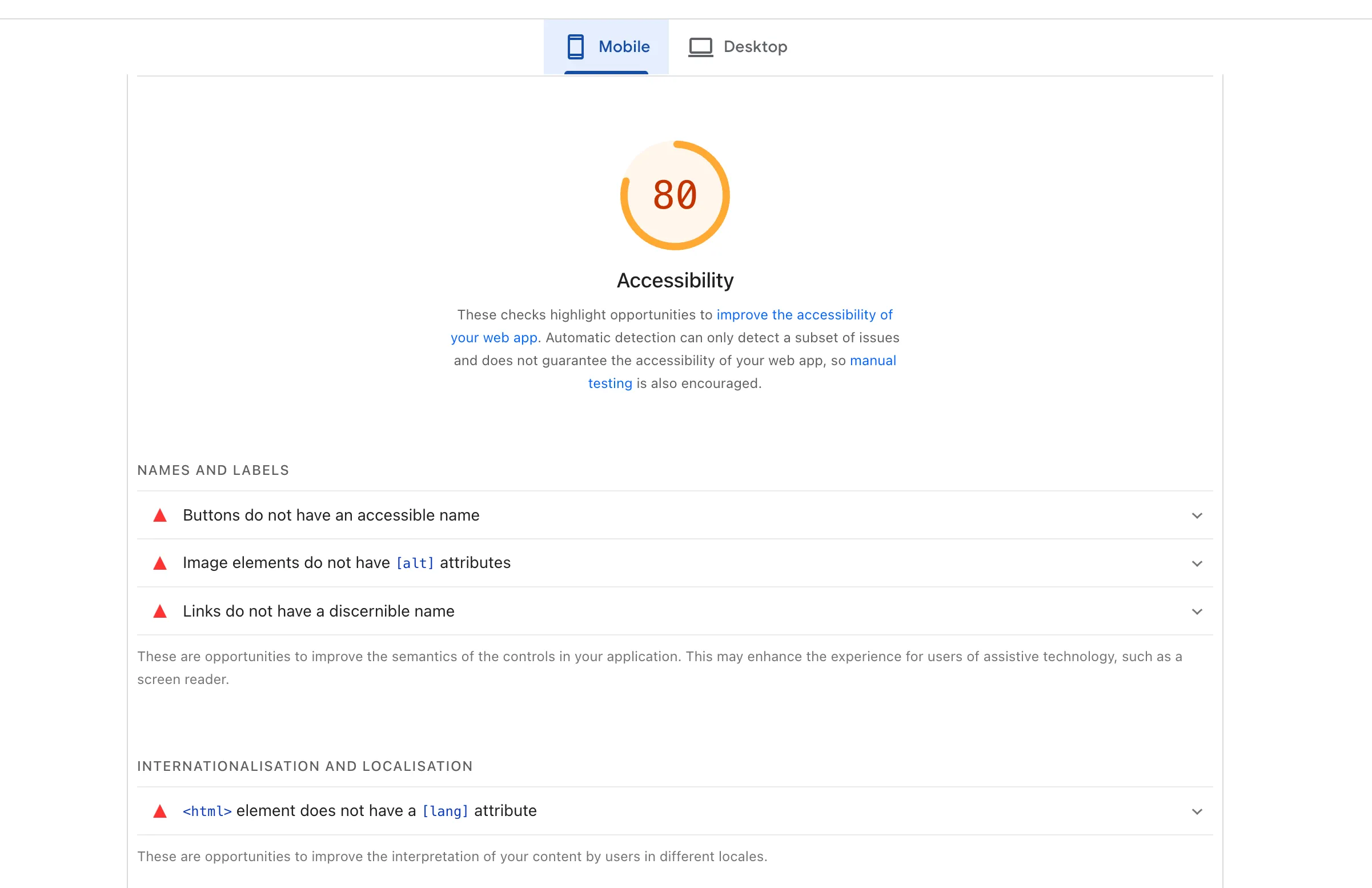
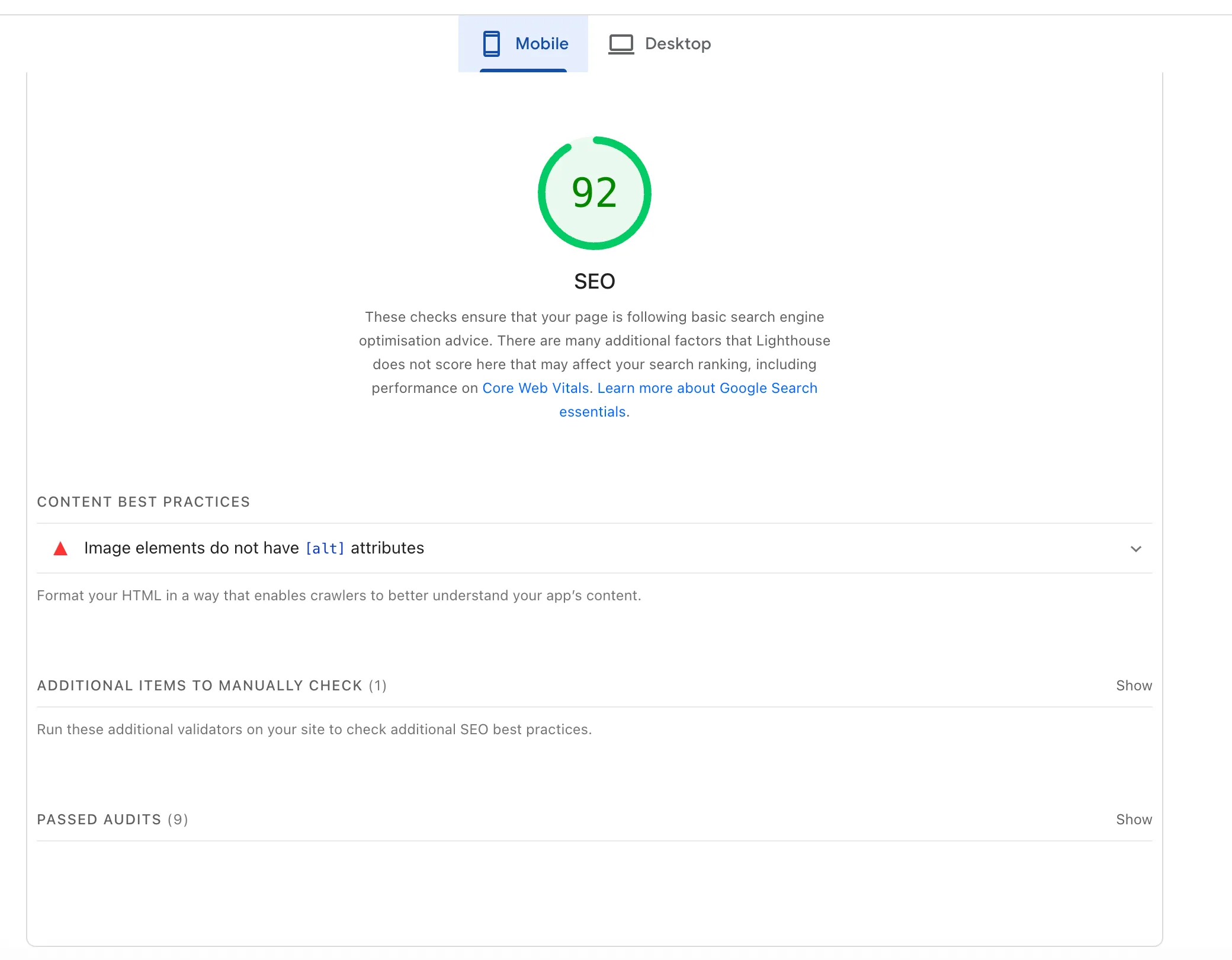
- images had no alt text — search engines and AI couldn’t tell what was in the pictures;
- the page language wasn’t set (the
langattribute) — important for entering the European market; - buttons and links had no accessible names;
- there was no privacy policy and no cookie banner — a direct risk for doing business in the EU;
- there was no schema.org markup — AI systems had nothing to rely on to describe the company;
- the home page title was 23 characters long, without a single keyword.
What I did: four areas as one system
1. Technical basics
- alt text for every image: service icons, the main visual and client logos (each logo is labelled with its country — an extra trust signal for AI);
- the page language attribute;
- accessible names for buttons and links — wherever Tilda allows it.
2. SEO
- an English keyword list for the European B2B market;
- site texts optimised for the target search queries;
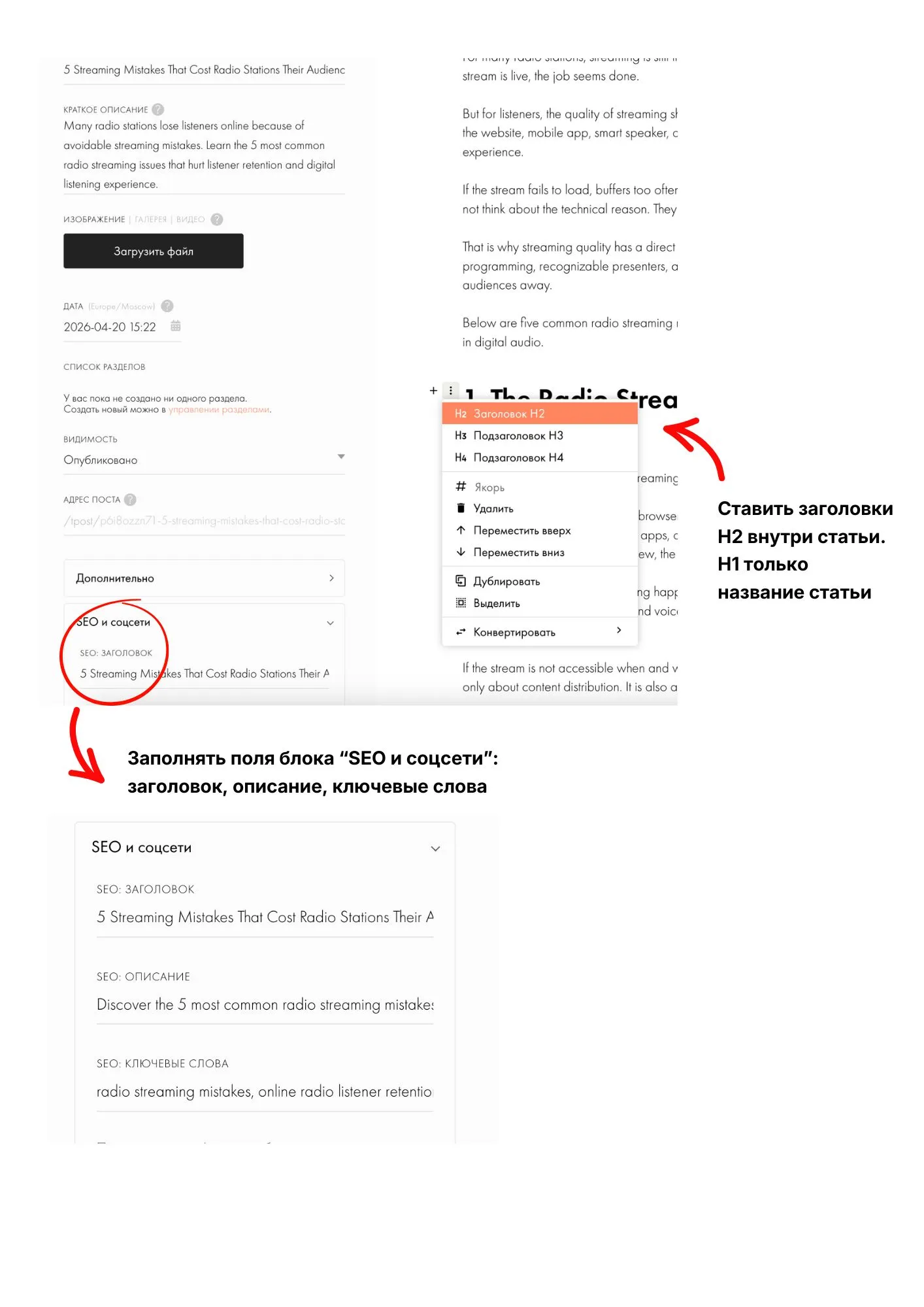
- title, description and keywords for 7 pages: home, plans, terms of service, contacts, blog and 2 articles;
- Open Graph tags — a link to the site looks good in LinkedIn and messaging apps;
- a check that the sitemap is up to date;
- an H1–H2 heading structure for blog articles.
3. GEO — optimisation for ChatGPT, Perplexity and Gemini
- schema.org markup on all key pages: who the company is, what services it offers, its plans and prices, answers to common questions, breadcrumb navigation;
- on the plans page, all 13 streaming and VPS plans with prices in structured form, so an AI tool can answer “how much does VLMcast cost” accurately;
- a frequently asked questions block in FAQPage format — AI assistants quote it directly.
4. Compliance with EU rules (GDPR)
- a privacy policy, written and published;
- a cookie banner with categories (necessary / analytics / advertising) and an option to opt out;
- a link to the privacy policy added to the enquiry form.
The result: a second audit after 2 weeks
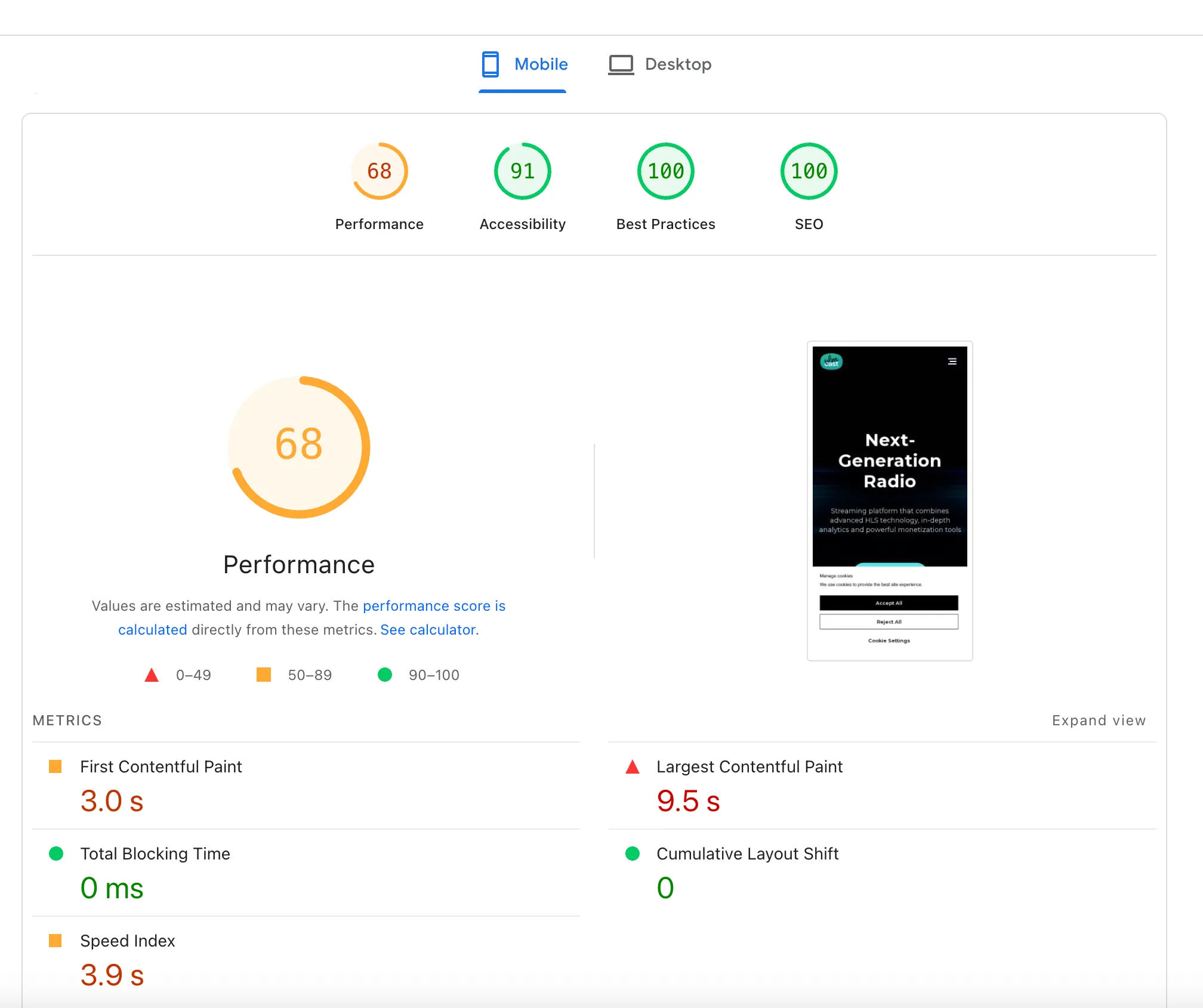
After the work, I tested the site again with the same tool and compared it with the first audit. The client saw not a list of completed tasks, but a measurable result.
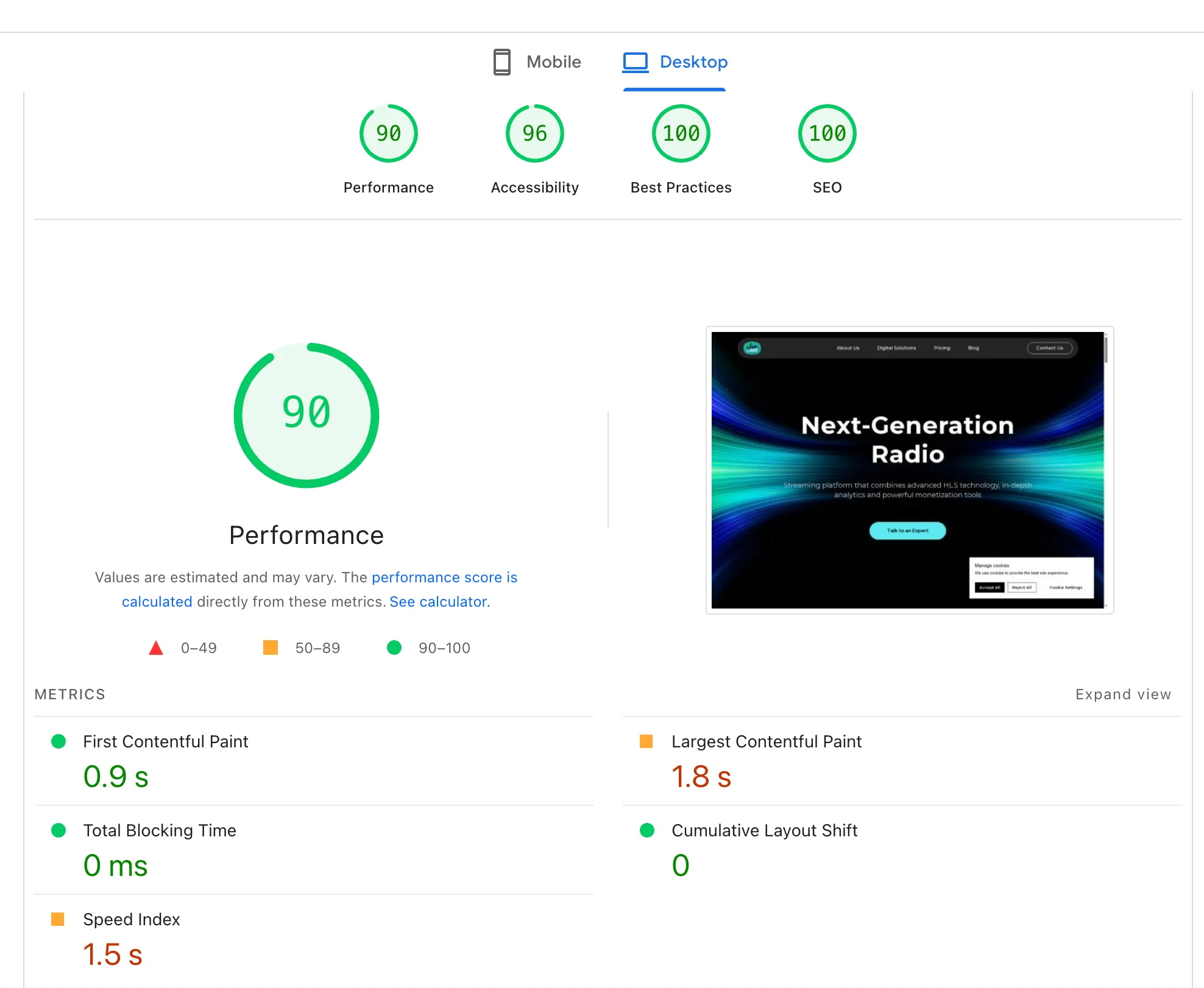
Before and after:
| Metric | Before (20 May) | After (5 June) |
|---|---|---|
| SEO | 92 | 100 |
| Accessibility | 80 | 91 |
| Best Practices | 100 | 100 |
| Performance | 69 | 68 |
| Element | Before | After |
|---|---|---|
| Home page title | 23 characters, no keywords | optimised for search queries |
| Meta description | 108 characters, no keywords | filled in on every page |
| Open Graph | partial | fully filled in |
| Schema.org | none | 6 types of markup |
| Alt text | none | on every image |
| Privacy policy | none | published |
| Cookie banner | none | with categories and opt-out |
Why speed didn’t improve — and why I said so from the start
Performance stayed at 68–69 points. That was expected: on Tilda, the platform itself limits site speed. It uses an outdated jQuery library from 2013 and styles that block loading, and there’s no access to the page code. You can’t change this without changing platform.
I told the client this at the audit stage, before work began, so there were no expectations that couldn’t be met. For the same reason, Tilda doesn’t let you add accessibility descriptions to two elements (the menu button and image buttons).
My approach: it’s better to be honest about the limits. I’d rather not promise “100 points across the board” and then put the result down to chance.
Not just a website, but a system for the work ahead
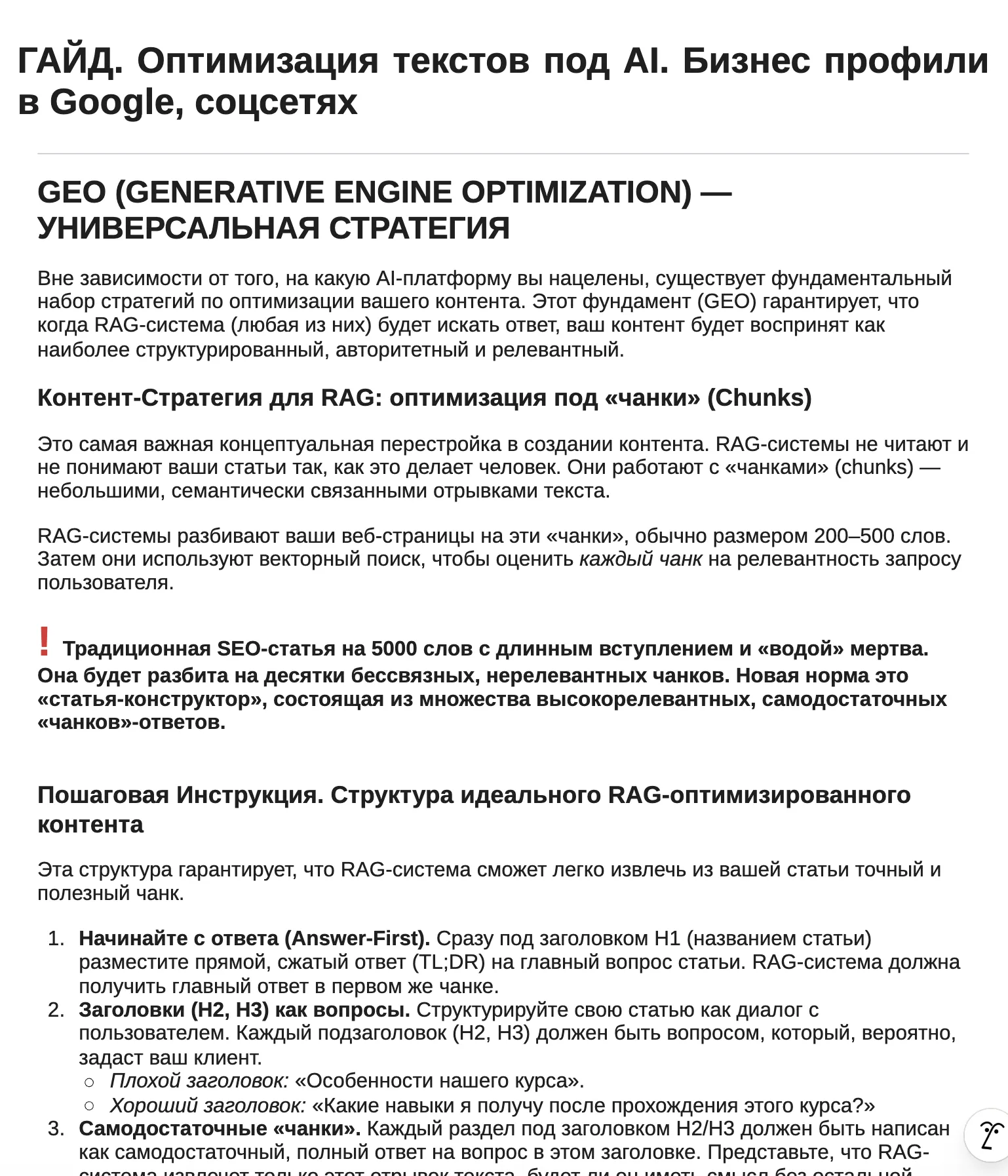
SEO and GEO aren’t a one-off job. So I gave the team materials they can use to grow the site on their own:
- a keyword list in Russian and English;
- a list of edits to the site texts, with an explanation of why each one matters;
- an SEO article template for the blog: title and description format, H1–H3 structure, an intro formula, an answer block for AI, internal linking rules, article length by type;
- a guide to Google Business Profile and SEO articles;
- a step-by-step guide, “How to get recommended by ChatGPT, Gemini and Perplexity”;
- recommendations on LinkedIn, niche media, Reddit and industry conferences.
Client review
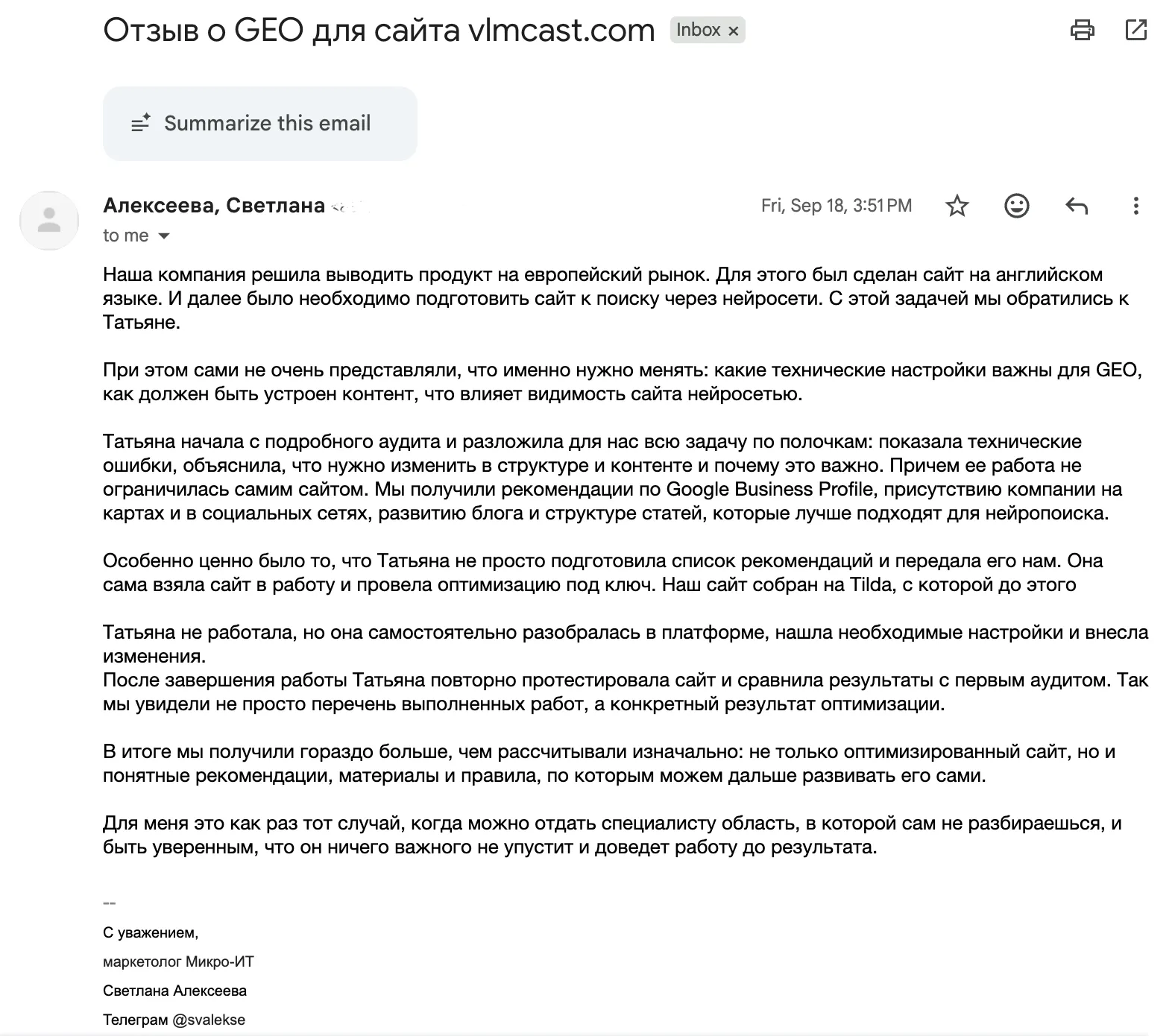
“Our company decided to bring its product to the European market. For this, a website in English was made. Next, we needed to prepare the site for AI search. We turned to Tatiana with this task.
At the same time, we didn’t really know what exactly needed to change. We didn’t know which technical settings matter for GEO, how the content should be organised, or what affects how visible a site is to AI.
Tatiana started with a detailed audit and broke the whole task down for us step by step. She showed us the technical errors and explained what needed to change in the structure and content, and why it matters. And her work wasn’t limited to the site itself. We got recommendations on Google Business Profile and the company’s presence on maps and social media. Also on growing the blog and on an article structure that works better for AI search.
What was especially valuable was that Tatiana didn’t just prepare a list of recommendations and hand it over to us. She took on the site herself and did the optimisation end to end. Our site is built on Tilda, which Tatiana hadn’t worked with before. But she figured out the platform on her own, found the settings she needed and made the changes. After finishing, Tatiana tested the site again and compared the results with the first audit. So we saw not just a list of completed work, but a concrete result of the optimisation.
In the end, we got much more than we originally expected. Not only an optimised site, but also clear recommendations, materials and rules we can use to keep growing it ourselves.
For me, this is exactly the case where you can hand over an area you don’t understand yourself to a specialist. And you can be sure they won’t miss anything important and will see the work through to the result.”
— Svetlana Alekseeva, marketer

Project by: Tata, @mnogobukof — marketing, AI, social media. About me →
Want to know how Google and ChatGPT see your website?
Send me a link. Within 3 working days I’ll send you a free review. It shows what keeps your site out of search results and AI answers, and what to fix first.
Message me on Telegram