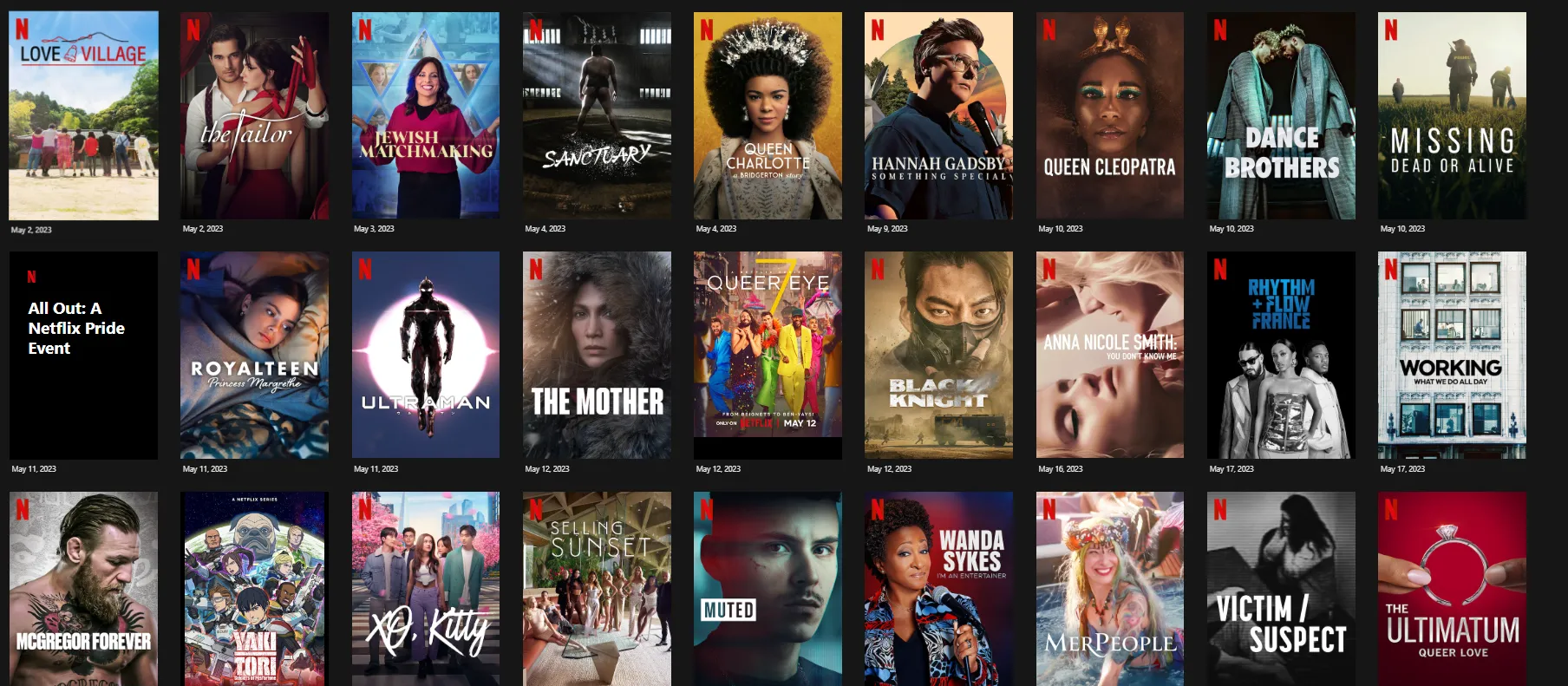
How I studied Netflix’s company culture and their unusual approach to building a team.
It turns out Netflix is very strict about hiring only the very best, and then gives them complete freedom of action. The company calls this “context, not control”: a manager explains the task and the goals instead of checking every step.
Also, Netflix co-founder Reed Hastings believes a team should only have top-level professionals, because the quality of work is contagious — both good and bad. He writes about this in the book No Rules Rules (2020), written with Erin Meyer. In my own words:
If four people in a team of five are responsible and the fifth isn’t, soon everyone else will drop to his level.
In 2001, after the dot-com crash, the company had to lay off a third of its staff. They kept the strongest people and let the average performers go. The managers worried this would demoralise the remaining team. But no. On the contrary, the people who stayed began to work more productively and creatively. They were now surrounded by the most talented people, and next to them they wanted to grow professionally and personally.
People like to learn, work, live and grow surrounded by strong, motivated people rather than rescue victims.
Also at Netflix, they
-
teach people to give their opinion and take criticism without stress.
-
help colleagues out, but don’t rescue weak employees; instead, they let them go with a good severance package. This was written in Netflix’s 2009 culture presentation. Today managers use the “keeper test”: would they fight to keep this employee if he or she decided to leave?
-
pay salaries at the top of the market for the role, to create the most comfortable conditions for professionals. A handful of professionals achieves more than a bloated staff of average performers.
-
believe control kills a creative atmosphere. And a lack of fresh, revolutionary ideas is worse than mistakes.
Netflix started thinking about its brand strategy: what value does it bring to the world? For almost a year, together with the agency AKQA, the company looked for the brand’s “belief system” — for employees and for viewers. In September 2020, Netflix launched its first global brand campaign, One Story Away, in 27 countries at once. Its main idea:
“We’re only one story away” — from … (something)
In full, it goes like this: we’re all only one story away from seeing more, feeling more and connecting more with each other.
I think this is true: series change us. We find ourselves in the characters and understand that we are not alone. We see that other people face the same problems, and that everything can be solved.
As always, the conclusion is painfully obvious — the content we watch affects us and changes us, and we begin to see the world differently.
When people read other people’s stories, their inner emotional response grows. That is how literature works: you can put yourself in the hero’s place and understand what he felt and what drove him.
Everything you read and watch widens your inner emotional range and your empathy, and helps you grow step by step.
Update, November 2026: the Netflix culture memo still sets a high bar: the company aims to employ only strong performers. The “keeper test” and the “context, not control” principle are still there too. The company is now run by two co-CEOs — Ted Sarandos (since July 2020) and Greg Peters (since January 2023), according to Netflix’s leadership page.
In short, wisdom from Netflix
- Pay attention to the content you consume: it has a strong effect on us.
- And surround yourself only with motivated, professional people. Lazy people and people who are always in victim mode will pull you down to their level.